 800-861-9372

Narcotics.com Fall 2027 College Scholarship




A rehab scholarship is when the drug or alcohol treatment program waives either a portion of its costs (partial scholarship) or up to 100% of its treatment costs (full scholarship) for applicants in need. Rehab grant funds, on the other hand, are issued directly to addiction treatment and mental health programs, then disseminated among clients. Mandated by Congress, these noncompetitive grant funds make it possible for many programs to offer financial aid. As is the case with most assistance programs, there are stipulations for funding.
Here are some important details about rehab scholarships:
- Rehab facilities set aside a certain amount of income each year to offer scholarships. Financial aid is offered until all the allotted money is used.
- Rehab scholarships are generally needs-based. That means aid is only offered to those who are under- or uninsured and have no other financial means or assets to pay for treatment.
- For additional funding support, rehab scholarships can be combined with private insurance, Medicare, or Medicaid if those plans do not cover 100% of treatment costs.
- Not every rehab program offers scholarships. That means you’ll need to do some online research, create a list of rehabs in your area, then call each facility to ask if they offer scholarships.
Finding a rehab scholarship doesn’t need to be difficult. Start by browsing our treatment directory and making a list of programs that suit your needs. Next, call each facility on your list and ask if they offer rehab scholarships.
For rehabs that offer scholarships, ask for details on their application process. Some programs have an intake manager who can take your information and application over the phone, some allow you to apply online, and some require you to apply in person.
A few things to keep in mind:
- Be prepared to explain your personal story and why you need financial assistance to access addiction treatment services.
- Gather and be prepared to share personal and financial documents (i.e., proof of income, checking and savings account balances, monthly expenses, proof of insurance coverage, etc.)
- Understand that competition for rehab scholarships is fierce; that means you may have to submit numerous applications before getting a positive response.
- Individual rehabs are independently run and commonly provide scholarships to cover the cost of one of their programs. The scholarship amount depends on the treatment center and available funds.
- Corporations (both for-profit and nonprofit) that own and operate rehab facilities sometimes offer treatment scholarships to cover the cost of their programs.
- Nonprofit organizations, including religious rehab facilities, often offer scholarships for those admitted to their treatment programs. Providing free or affordable treatment is typically their focus.
$2,250 in College Scholarships to be Awarded
If you’re looking for honest information related to mental health or drug and alcohol addiction, Narcotics.com is your #1 resource.
The struggle to provide adequate behavioral health services is currently one of the biggest challenges to our healthcare system, and nothing exacerbated the problem more than the COVID-19 pandemic. Experts watched as cases of anxiety, depression, loneliness, and other mental health concerns exploded. And since mental illness and substance abuse often go hand-in-hand, more and more people need behavioral healthcare services.
Recognizing the need for an infusion of new addiction and mental health professionals, Narcotics.com decided to launch a free scholarship contest for college students majoring in Behavioral Health. By providing financial assistance to help pay for books, tuition, or daily expenses, we hope to encourage more students to pursue careers in the areas of behavioral health and addiction-related studies.
How To Enter
- Review Eligibility: Before entering the contest, review the Terms/Conditions requirements and the rules and regulations below to make sure you qualify.
- Complete Application: Complete the contest application form below providing all required information.
- Submit: Once your essay is written, save as a Word Doc or PDF and submit with your scholarship contest application.

Essay Topic And Guidelines
Essay must be submitted with the application, which should include the author’s name, address, phone number, email address, college (including the date of graduation), and student ID number.
- All entries must be typed, double-spaced, and saved as a Word Doc or PDF.
- Do not add pictures or graphics
- Essays that do not meet the word count requirement will be eliminated. (The essay title or added references / footnotes do not contribute to the total word count.)
- AI-generated essays will not be accepted
- A contestant’s teacher, counselor, or parent may check the essay for punctuation, grammar, and/or spelling, but the essay MUST BE the original work of the student making the submission.
- Contestants will be judged based solely on their essay.
USING YOUR OWN WORDS, PLEASE ANSWER THE FOLLOWING QUESTIONS IN 500-700 WORDS:
- When most of us picture the pathway to drug addiction, we typically expect that it begins with recreational use or as a response to emotional trauma. In the case of opioid addiction, though, it’s not uncommon for people to begin with a legitimate prescription for pain medication after an injury, illness, or surgery. What do you think can be done to lower the risk of this progression from medical care to opioid addiction? You might consider things that patients, doctors, and families can do on an individual basis as well as steps that could be taken on a larger scale within communities or across the country.
Rules And Regulations
- Essay must be the original work of the contestant. Plagiarism will automatically disqualify your entry.
- Contest awards and decisions are final unless an entrant is disqualified.
- Essay submissions that do not meet the requirements (listed above) or sent after the application deadline will not be considered.
- Essay award winners grant Narcotics.com the right to use their essay content in connection with this contest, marketing efforts, and publication of the essay, as well as the right to use the winners’ names and/or identifying information to promote the contest.
- Narcotics.com will read and judge each eligible essay submitted on time; essays submitted after the deadline will not be accepted or read.
- Contest prizes (scholarship award monies) can be revoked after awards are given if entrants are discovered to be ineligible or found to have broken contest rules.
- Narcotics.com reserves the right to change submission deadline to an earlier deadline if application submissions greatly exceed the number projected. Prospective applicants should enter as early as possible.
- Should Narcotics.com have to change any contest rules, we will notify participants via email. If participants are dissatisfied with changes, they may retract their submission.
- All federal, state, and local charges or taxes on prizes must be paid by award winners.
- Essay submissions for this contest become property of Narcotics.com to be used and reproduced.
"*" indicates required fields

Fall 2026 College Scholarship Winners
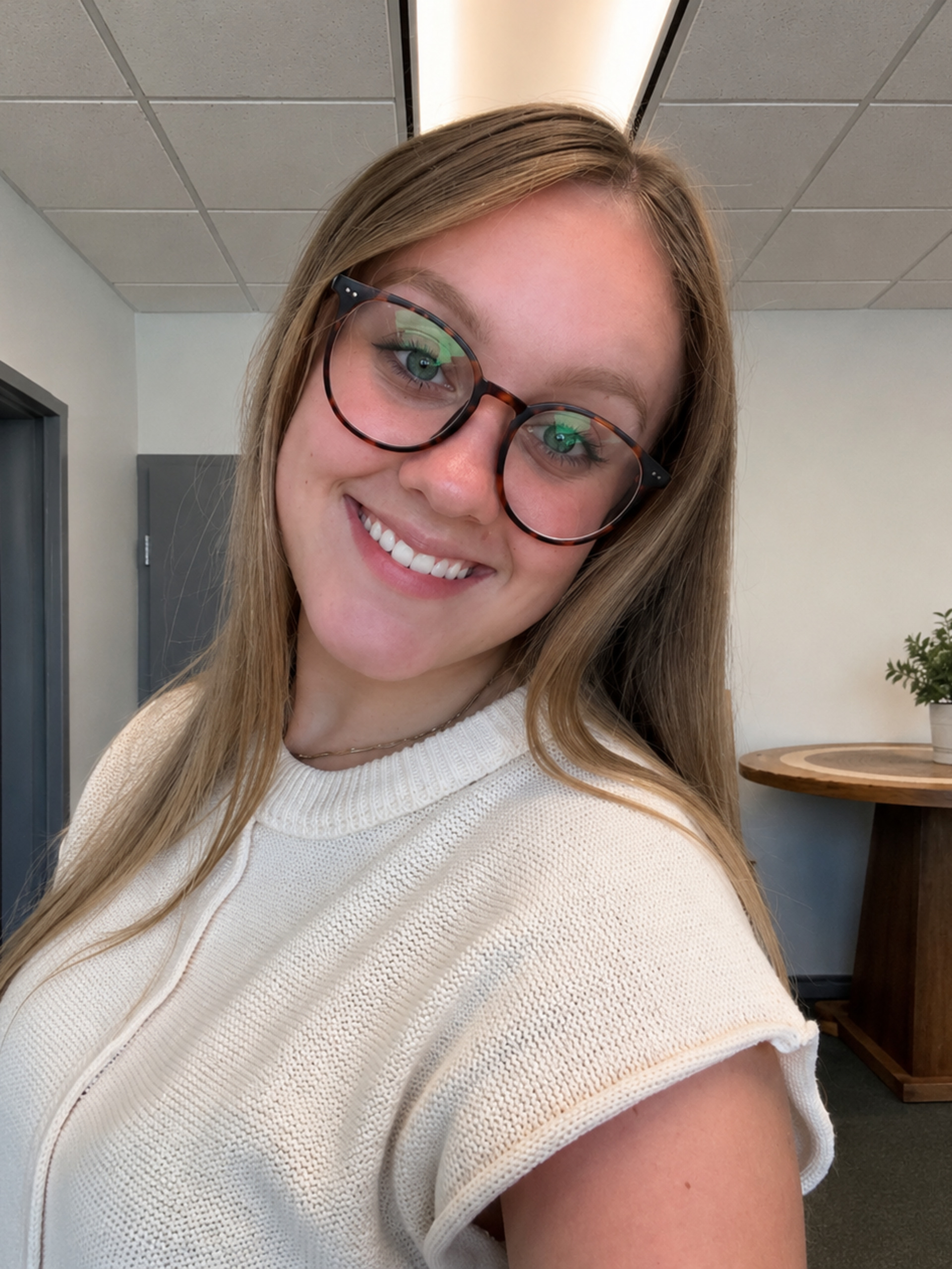
Megan Placker
(Click to view essay)
My generation has grown up online. We use social media to communicate, learn, shop, and stay connected every single day. But while the internet has created incredible opportunities, it has also opened dangerous doors. One of the scariest realities in today’s digital age is how easy it has become for individuals, especially young adults, to access illegal drugs online.
What once happened secretly on street corners now happens through Snapchat messages, Instagram accounts, encrypted apps, and hidden websites on the dark web. With just a phone and a few clicks, someone can unknowingly buy counterfeit pills laced with deadly substances like fentanyl. That is what makes this issue so alarming: danger no longer looks dangerous.
Counterfeit drugs are one of the biggest threats facing young adults today. Many pills sold online are designed to look identical to prescription medications, making it almost impossible for someone to tell the difference. A teenager may think they are purchasing something harmless to help with stress, anxiety, or pain, when in reality they are risking their life. Fentanyl is especially deadly because even tiny amounts can cause an overdose.
One impulsive decision or moment of curiosity can permanently change a family forever. When discussing solutions, many people immediately blame technology companies or law enforcement. While both absolutely have responsibilities, I do not believe the burden should fall solely on them. Protecting young people online requires effort from everyone, including schools, families, and communities.
Technology companies play a major role because social media platforms are often where illegal drug activity begins. Dealers use coded language, emojis, and disappearing messages to avoid detection. Companies should invest in stronger monitoring systems that can identify suspicious activity more quickly and remove harmful accounts before lives are put at risk.
Reporting dangerous content should also be easier and taken more seriously. However, simply deleting accounts is not enough. Social media platforms could also use their influence to spread awareness by sharing educational campaigns, overdose prevention resources, and real stories from families impacted by counterfeit drugs.
Young adults are more likely to pay attention when information feels personal and authentic instead of just another warning. Law enforcement also has an important responsibility. As online drug trafficking evolves, cybercrime units must continue adapting to track illegal sales happening across digital platforms.
At the same time, I believe prevention is just as important as punishment. Fear alone does not stop people from making dangerous decisions. Education and support matter too. Schools can make a huge difference by creating honest conversations about online safety and substance abuse.
Too often, students hear generic lectures that fail to connect with reality. Schools should teach students how online drug sales actually happen, how counterfeit pills are marketed, and why fentanyl is so deadly. More importantly, schools need stronger mental health support systems. Many young adults turn to substances because they feel overwhelmed, anxious, lonely, or pressured. If students had better access to counseling and emotional support, they might be less likely to seek dangerous coping mechanisms online.
Families also play one of the most important roles. Teenagers may act independent, but having trusted adults still matters deeply. Parents and guardians should create environments where young people feel safe being honest without fear of immediate judgment. Open communication can save lives. A teenager who feels comfortable admitting they made a mistake is more likely to seek help before it becomes a tragedy.
Ultimately, online drug safety is not just a technology issue or a law enforcement issue. It is a human issue. Everyone has a role in protecting young people in the digital world we now live in. The internet itself is not the enemy, but the lack of awareness can be deadly. My generation does not just need stricter rules; we need education, support, and conversations rooted in honesty.
Because today, the most dangerous thing about illegal drugs is not how they look. It is how normal and accessible they have become online.
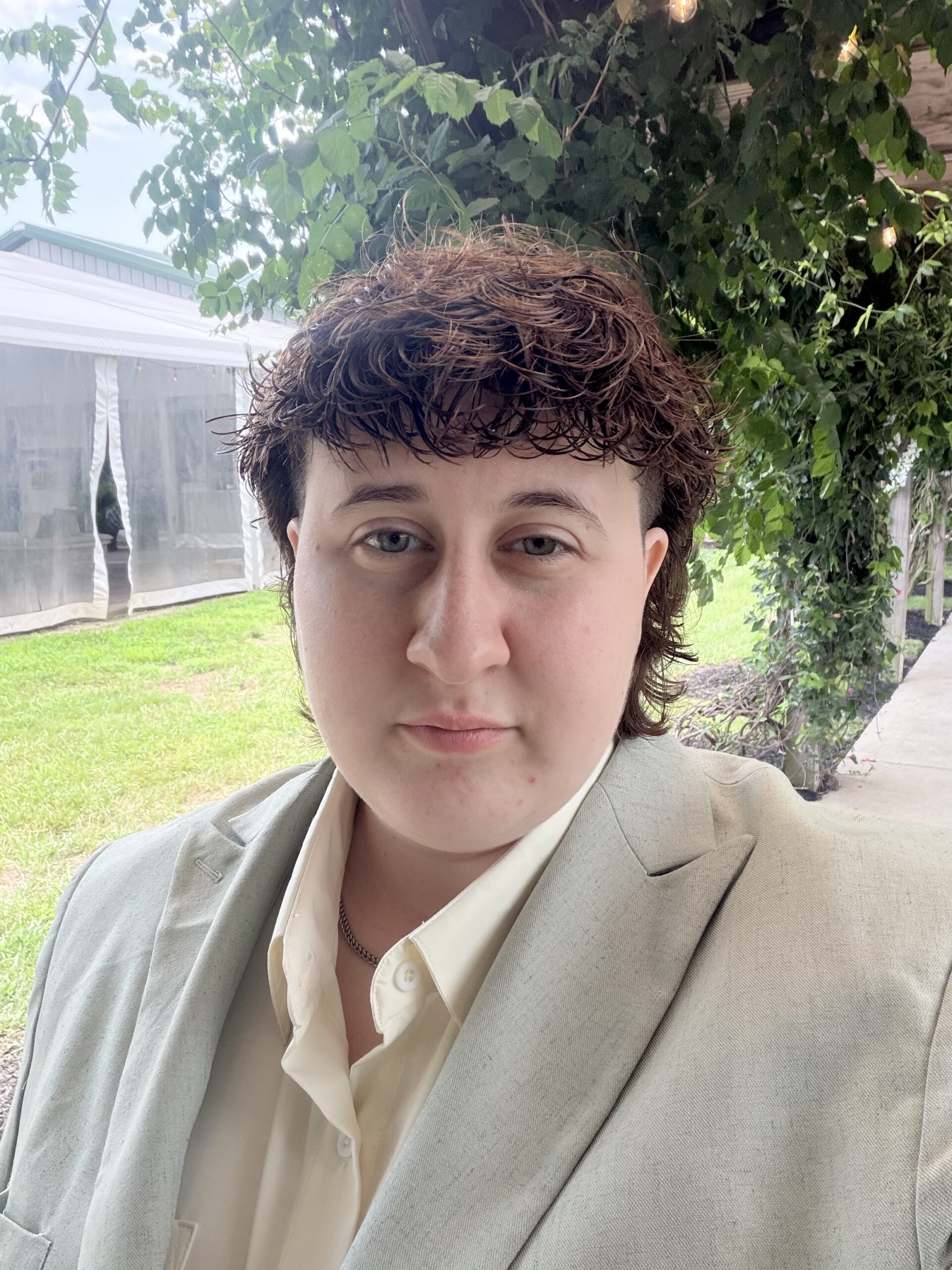
Kayleigh Zeinert
(Click to view essay)
Staying Safe in a Digital Drug Market: A Shared Responsibility
My mother bought the pills that killed her from someone she found through a phone. She was living in a homeless shelter at the time, exhausted from more than a decade of fighting mental illness and substance use, and looking for something to dull the pain for one more night. The pills were laced with fentanyl. She died in December of 2022 when she was only 51 years old. I was twenty-two years old, and I have spent every day since trying to understand how something so small, bought so easily, could take someone so completely.
My mother’s story is not rare. It is one version of a pattern playing out across this country every day, accelerated by the fact that buying drugs no longer requires stepping outside. Social media platforms, encrypted messaging apps, and dark web marketplaces have turned a phone into a storefront. A person struggling with addiction, or a teenager experimenting for the first time, can find a seller in minutes, often without any idea that what they are buying is not what it claims to be.
Counterfeit pills pressed to look like Xanax, Percocet, or Adderall are increasingly cut with fentanyl, and the contamination is not limited to pills. Two weeks before my mother died, my father used a small amount of cocaine that turned out to be laced with fentanyl. EMTs administered Narcan three times to keep him alive, and he spent three days in the hospital recovering. He survived. My mother did not. Between them, my parents show both ends of the same danger: a substance so potent that even a tiny, unknown exposure can be fatal, no matter what drug someone thinks they are buying.
Curbing this activity cannot rest on any single group. Tech companies have both the responsibility and the tools to do more, using the same detection systems that already flag other harmful content to recognize the coded language sellers use to evade filters, and partnering with public health agencies to push real-time contamination warnings before a crisis, not after.
Law enforcement plays a necessary role in dismantling the networks behind these sales, but arrests alone will not fix a problem rooted in access and desperation. This is where schools and families become essential, not optional. Schools can teach digital literacy alongside health education, helping students understand that a seller’s friendly tone says nothing about what is actually inside a pill or a bag. Fentanyl test strips and naloxone should be as normal a classroom topic as CPR. Families need to talk about addiction and online risk without shame or silence.
My mother’s struggles were often met with silence, by systems and by people who did not know how to reach her. Silence does not protect anyone; it only isolates the person suffering, pushing them toward whatever relief is closest at hand, even when that relief is a phone screen away from a stranger selling something fatal.
I am pursuing a career in behavioral health because I watched addiction and mental illness take my mother slowly, and then, in the end, take her all at once. I want to be part of a system that intervenes earlier, that treats substance use as the health crisis it is rather than a moral failing, and that understands the internet is now part of the landscape we must protect people within.
Safeguarding people online from counterfeit, fentanyl-laced drugs will take coordinated effort from technology companies, law enforcement, educators, and families alike. But it will also take people willing to sit with someone in their worst moment instead of looking away. I intend to be one of them.

Louie Teed
(Click to view essay)
No Single Referee: Keeping Young People Safe From Drugs Sold Online
The first time I understood how markets really work, I was ten years old and my Uncle Peter was showing me how to read a stock chart. What stuck with me was not the numbers. It was the idea that every transaction is a meeting between a buyer and a seller, and that the rules around that meeting decide whether ordinary people get hurt or protected.
I think about illegal drug sales online the same way. It is a market, a brutal and hidden one, and pretending any single referee can police it alone is how people keep dying. The honest answer is that no one party can fix this. Tech companies have the data and the reach, law enforcement has the authority, and schools and families have the trust. Each of them holds a piece that the others cannot supply.
When we hand the whole job to one of them, we get exactly what we have now: counterfeit pills laced with fentanyl sold over the same apps young people use to talk to their friends. Tech companies should carry the heaviest part of the load, because they built the channels and they profit from the traffic. I would push them toward a few concrete safeguards. Platforms can detect the coded language and emoji shorthand that dealers use to advertise, and they can throttle or flag those accounts before a sale closes instead of after a teenager overdoses.
They can stop their own recommendation engines from connecting curious kids to sellers, which is a quieter failure that almost never makes the news. And they can preserve evidence properly so that investigators are not starting from zero. I would rather see real transparency reports with hard numbers than another vague pledge to do better. Law enforcement has to follow the money and the supply, not just the buyer. The encrypted apps and dark web sites that move these drugs are run by people who treat the risk as a cost of doing business.
Going after distribution networks, and building the cross border cooperation these cases demand, does more good than arresting a scared nineteen year old who clicked the wrong link. This is where my interest in regulation feels personal. Good rules are not about punishing the desperate. They are about raising the cost for the people running the operation until the operation stops being worth it. But safeguards built by companies and police are walls, and walls only work until someone decides to climb them.
That is where schools and families matter, because they shape whether a young person wants to climb at all. I have spent enough time around younger kids, refereeing Special Olympics basketball and helping with my church youth group, to know that lectures bounce off them. What lands is honesty. Schools should teach digital literacy the way they teach driver safety, plainly and without panic, so students recognize that the pill from an Instagram seller is not the pill from a pharmacy.
Families have to make the subject normal instead of forbidden, because a kid who can ask a parent a hard question is a kid who is less likely to ask a stranger online. I am nineteen, an incoming college student, and I have watched people my age treat their phones as a place where consequences do not reach. They do reach. The line between a curious search and a fatal mistake has gotten terrifyingly short.
So my answer to whether this falls solely on tech companies and law enforcement is no, and I think framing it that way is part of the problem. It lets the rest of us off the hook. The platforms must build better guardrails, the police must dismantle the supply, and schools and families must raise people who do not go looking for the gap. None of those three can carry it alone, and all three are accountable when a young person dies for want of the others doing their part.
Fall 2025 College Scholarship Winners
Deborah Murphy
(Click to view essay)
Addiction Is Real. So Is Hope.
Addiction isn’t just something that happens to “other people.” It’s not just the man sleeping under the bridge or the woman pacing the gas station aisle. It’s your cousin. Your friend from high school. Maybe it’s your parent. Or maybe it’s you.
It’s easy to judge addiction when you’ve never watched someone you love disappear in front of your eyes. When you’ve never had to lie awake at 2 a.m. wondering if they’ll make it through the night. When you’ve never tried to look in the eyes of someone who’s there—but not really there anymore.
That’s why the disease model of addiction matters. Because it reminds us that addiction is not just about bad choices or weak willpower. It’s about pain, trauma, and yes—biology. It’s about a brain that’s been rewired to crave something so badly it can drown out everything else—love, family, food, safety, even life itself.
Calling addiction a disease doesn’t excuse the hurt it causes. It doesn’t erase the broken trust, the stolen money, the lies. But it does help explain why someone can’t just “snap out of it.” It gives us a way to understand, and more importantly—a reason to care.
When someone we love is diagnosed with cancer, we don’t tell them to try harder. We don’t accuse them of being weak. We gather around. We hold their hands. We shave our heads and raise money and pray with everything we’ve got. Addiction deserves that same response. Not pity—but compassion. Not blame—but belief that healing is possible.
For the person struggling, hearing that addiction is a disease can feel like a lifeline. It means you’re not broken. You’re not a monster. You’re not a failure. You’re sick—and sick people can get better. But I also understand the other side. No one wants to be reduced to a diagnosis. You’re not just “an addict.” You’re someone’s daughter. Someone’s dad. A person with dreams, with good memories, with value—even if you can’t see it right now.
The disease model reminds us that recovery isn’t just about trying harder. It’s about healing the whole person—mind, body, and soul. It’s therapy, support, maybe medication. It’s second chances. And third ones. And sometimes, fiftieth ones. It’s progress that doesn’t always look perfect. And it’s not just on the person using. Families carry the weight too.
If you’ve ever loved someone in addiction, you know the ache. You know what it’s like to hope and hurt at the same time. To celebrate a clean week like a birthday and still brace yourself for the call that might come tomorrow. The disease model can help you let go of the guilt. You didn’t cause this. You can’t cure it. But you can stand beside them. You can set boundaries and still love fiercely. And you can get help too—because you deserve healing just as much.
Healthcare providers—your belief in the disease model gives people a chance. When you treat addiction with the same urgency and respect as any other illness, you remind the world that recovery is possible. But please remember: your patients aren’t just cases. They’re scared. They’re tired. And sometimes, they’ve never had a single person believe in them. Be that person.
And for policymakers—this is your call to action. This is your moment to move from punishment to healing. Fund treatment, not jail cells. Make rehab affordable. Push past the stigma and write laws that treat addiction like the complex, human condition it is.
Because at the end of the day, addiction is not just a medical issue. It’s a human story. One of pain, yes—but also of hope. I’ve seen people come back from the edge. I’ve seen families rebuild. I’ve seen kids get their parents back.
Addiction is real. But so is recovery.
And nobody—nobody—is too far gone to start again.

Alanna Douglas
(Click to view essay)
Is Addiction a Disease? A Critical Exploration of the Disease Model of Addiction
The question of whether or not addiction is an illness isn’t hypothetical, it has implications for real lives, real families, and real recovery. The “Disease Model” of addiction envisions substance use disorder as a chronic neurobiological illness, one that changes brain function over time and requires medical care. It compares addiction to illnesses like diabetes or heart disease, dictating that it is not moral failing but multifaceted illness.
This model has changed the way society deals with addiction both clinically and interpersonally. Not everyone supports it, though. Critics argue that labeling addiction solely as a disease could disenfranchise individuals of their agency, responsibility, or even hope for change. And for me, I understand both positions.
I grew up watching addiction ruin not only the addict but the entire family. It hurt to see a family member battle substance dependence. We did not always know why there was promise-breaking or why it was impossible to change despite love and effort. It was not until we learned about the disease model from a counselor that everything fell into place. This wasn’t weakness or lack of love but rather a disease that altered brain chemistry, decision-making, and behavior in ways we couldn’t see.
For the addict, this model can be a revelation and an empathy. It flips the switch from punishment to treatment, from shame to compassion. A disease model of addiction removes the mystique and deters too many people from entering treatment. Treatment is increasingly a matter of management and recovery, and less a matter of abstinence or willpower. But it is also crucial that the model isn’t being utilized as an excuse or a crutch. Responsibility, dedication, and hard work are still the primary requisites for recovery. I’ve witnessed how successful it can be when an individual is able to understand both the scientific fact of their illness and their own ability to get better.
Families are also greatly impacted by this shift. The disease model permitted my family to communicate more freely, to love more empathetically, and to criticize less judgmentally. We knew that the enablers must change, but love. That is what enabled us to step in and become co-players in the recovery process, not observers of somebody else’s suffering. Learning with the model permitted us to ride out the worst moments—relapses, setbacks, and burnout—by possessing a bit more knowledge and insight.
For doctors, the disease model reiterates the worth of providing whole-person care encompassing brain as well as body. It portends that treatment may (and should) include medication, therapy, peer support, and follow-up. It renders legitimate the request for insurance payback, research expenditure, and professional training. Doctors can become recovery allies rather than abstinence policemen. But they too need to be as responsible not to make patients passive recipients of treatment. Empowerment has to accompany treatment.
At the policy level, the stakes are no lower. Adopting addiction as a disease entails virtually starting over on criminal justice policies, insurance coverage, and public health spending. It asks us to spend money on rehabilitation centers instead of prisons, on harm reduction rather than on punishment, and on support programs rather than on shame campaigns. It calls on us to see addiction not just as a personal issue but as a structural issue but as an issue that disproportionately burdens certain communities because of social, economic, and racial differences. So, is addiction disease? To me, it is but it’s something more, too.
It’s a human experience that is influenced by biology, environment, trauma, and choice. The disease model provides us with a useful context in which to respond with compassion, order, and evidence-based care. But we must always temper it with a belief in human agency and the potential for recovery. Because when that someone we love falls ill, we don’t just need to know the science—we need to be able to believe that healing is always possible.
Melissa French
(Click to view essay)
From the Disease Model to the Recovery Model
The “Disease Model” of addiction is quite a controversial subject across many groups. Having addiction listed as being like diabetes or cardiovascular disease may not be correct, however, I do believe that certain members of society have a predisposition for the “addiction” trait. Most people at some point in time will “experiment” with drugs and/or alcohol. This moment of weakness doesn’t ruin everyone’s lives, but for those with the “addiction” trait, it can hold them back decades or take their life all together.
I, personally, am a little over five years clean from opiates, benzos, and cocaine. While I was living a lost life, and in addiction, I felt there was no other way I could live. I began as a teenager drinking heavily until I would blackout, I think went straight to intravenous drugs, mixing uppers and downers. A huge influence was on my children’s father, but ultimately, I made my own choices and felt the way I felt on my own. When I hit my own version of “rock bottom” I checked myself into a detox facility. I was also a little over 5 months pregnant at the time. I went from detox to an impatient facility. I delivered my son while I was residing there and was able to keep him with me 4 days of the week. I then gained employment, an apartment, and am now a full-time student with goals and aspirations to help others that were in my shoe’s half a decade ago.
Many medical and psychiatric organizations and facilities deem addiction as a chronic brain disease. While I may not be able to party on the weekends with some of my peers, I can still socialize with those I choose. I tend to stick with like-minded people, as to not put myself back in an “old” environment. I can understand the viewpoints of those opposed to calling it a disease, as it can become somewhat of an excuse for those suffering from addiction. If there’s one thing many share when they are in the grips of this illness is manipulation. They may feel like they are totally powerless from the “disease”. However, there is treatment for addiction, just as there is for many other diseases. There is MAT treatments, peer recovery, long term treatment plans, meetings like AA and NA for those in need of support from others that know what they are going through.
In this same sense, labeling addiction as a disease can have a positive impact as well. It can reduce the stigma associated with being an addict and encourage some to seek treatment. Understanding among your family or support system is vital as well. My mother was very curious and eager to learn more about what I was suffering from and the Why’s of it all. Local, state, and federal funding was able to help pay for my treatment as well as the MAT I had to take while I was pregnant with my son and detoxing.
Many going through addiction may not put it into perspective. I know when I was “dope sick” I would go hustle all day to feel better. All you need is to put a fraction of that drive into something productive and you can move mountains! I personally feel that there is a middle ground we should be able to attain. One in which non-judgmental treatment is available to those that seek it, all while promoting a sense of responsibility over your illness. Knowing you are stronger than any craving or trigger you may encounter. Change the people, places, and things you are exposed to.
Knowledge is power for us all! You aren’t alone! You can recover from this illness! You can live and maintain a normal life! You are powerful! Recover out loud!
Spring 2025 College Scholarship Winners
Alicia Cross
(Click to view essay)
The Duality of Harm Reduction Programs
Harm reduction programs present a complex and nuanced approach to addressing substance use issues, akin to a double-edged sword. On one hand, these programs effectively serve to minimize the risk of overdoses and injuries associated with drug use. By providing essential resources such as clean syringes, safe injection sites, and access to naloxone, harm reduction initiatives have been instrumental in decreasing the incidence of overdose fatalities and the spread of infectious diseases, such as HIV and hepatitis, that are commonly transmitted among drug users.
However, it is important to acknowledge a critical perspective regarding these programs. The very mechanisms that help users mitigate the immediate risks of drug use may inadvertently diminish the urgency and motivation required for individuals to seek treatment and pursue long-term recovery. When users have access to tools that allow them to avoid the adverse consequences of their substance use, it may create a sense of complacency. This situation can undermine the psychological and situational triggers that often propel individuals toward seeking help and making substantial changes in their lives.
Ultimately, while harm reduction has its merits in promoting public health and reducing harm, it also raises important questions about its impact on recovery pathways and the overall narrative surrounding addiction. Balancing these considerations is essential for creating comprehensive strategies that address both immediate safety and long-term recovery goals.
I have experienced the complexities of addiction and recovery from both personal and professional perspectives, as I’ve spent years working in a community outreach center while simultaneously navigating my own challenges with substance use. Just as I was embarking on my recovery journey, my community began to launch its inaugural harm reduction program. This initiative had a profound impact, as I was an intravenous drug user at the time, and the program offered critical resources that significantly diminished the potentially severe side effects associated with this lifestyle.
The benefits of the harm reduction approach were undeniable. It provided sterile supplies, access to naloxone, and educational resources that equipped not only me but also my peers with the knowledge to manage our risks. I vividly recall moments when, thanks to the program, I was able to help save a friend who had overdosed. It was a harrowing experience that reinforced the program’s value; it saved lives in our community.
However, the very safety net that this harm reduction program provided also had its downsides. In some ways, it delayed my full commitment to recovery. The support services and resources made it easier to postpone confronting the harsh realities of addiction. There was a sense of security in knowing that I could access clean needles and naloxone whenever I needed them. This safety net instilled a false sense of invulnerability, which, although it protected me from immediate harm, also made it less urgent for me to take the necessary steps toward long-term recovery.
Additionally, I found myself surrounded by many close friends who were entrenched in their own struggles with heroin and fentanyl use. For them, the harm reduction program proved to be a lifesaver in numerous instances; we were armed with the tools to act in emergencies, often more than once. Yet, I noticed that this very reliability often dissuaded them from making any substantial changes to their habits. They became reliant on the program as a safety valve, and for many, the idea of seeking treatment or altering their lifestyle took a backseat. Knowing they had access to essential resources created a sense of complacency that was difficult to overcome.
Reflecting on this journey, it’s clear that while harm reduction programs play a crucial role in safeguarding the immediate health of users, they can inadvertently complicate the road to recovery. It’s a fine line to walk—between providing essential support and fostering a culture of dependency that might delay a person’s desire to seek lasting change. This duality is a critical conversation that needs ongoing exploration, as we strive to create more effective responses to addiction and recovery in our communities.
Madison Sims
(Click to view essay)
Harm Reduction and the Readiness for Change
When reflecting on whether harm reduction programs are beneficial or detrimental to individuals experimenting with drugs and alcohol, I found myself shifting focus from the program’s primary goals to the individuals themselves. While the debate over the pros and cons of harm reduction programs is complex, I believe the true answer lies within the person and their readiness for change.
For example, harm reduction programs offer several undeniable benefits. Individuals who participate are less likely to contract diseases through shared needles, gain access to educational resources about substance use, and have opportunities to connect with counselors and supportive communities. These programs often provide life-saving medications, necessities like food and water, and referrals to treatment facilities. However, the key limitation is that harm reduction is not a “one-size-fits-all” solution.
The well-known saying, “You can lead a horse to water, but you can’t make it drink,” applies here. An individual can be given the resources and tools necessary for recovery, but without the willingness to actively participate and make changes, those resources will not be effective. Simply providing the right answers is not enough if they are not applied.
Another concern is the potential harm associated with certain resources provided by these programs. For instance, distributing clean needles may reduce immediate health risks, but it does not address the root issue or encourage individuals to stop using. If given the choice between a clean needle and information about quitting, many individuals in the moment will choose the physical object that satisfies their immediate craving.
To truly help, these programs must focus on long-term solutions and limit access to resources that enable continued substance use. I agree that these programs may inadvertently enable individuals to continue struggling with addiction while delaying treatment.
Participants might feel they are receiving some form of help by being involved in these programs, but they are not being held accountable for their actions. Instead, they are provided with resources that allow them to continue using.
I also believe these programs can act as barriers to abstinence-based treatment. Individuals are often significantly influenced by their environment, as suggested by the principles of nature versus nurture. Those attempting to quit are likely to be affected by others around them who are still actively using, as well as by the temptation to access the resources provided by these programs. This combination can make it more difficult for them to break free from the cycle of addiction and pursue lasting recovery.
As someone studying mental health counseling, I have learned about the complexities of addiction and the brain’s response to it. Addictive behaviors often have genetic, psychological, and environmental components, making everyone’s needs unique. This reinforces the importance of tailoring programs to the individual, as no single approach will work for everyone.
Programs must prioritize helping individuals focus on recovery and accountability, rather than simply providing tools that sustain their addiction. To illustrate this, consider your own past or present struggles with addiction, whether it be to food, alcohol, work, or another habit. If given a choice between a resource enabling that addiction and a pamphlet on overcoming it, which would you choose in the moment?
Most of us would likely choose the option that feeds into our addiction, highlighting the importance of addressing readiness and motivation. In my personal experience and conversations with friends who have attended treatment programs, a common theme emerges; success in recovery depends on the individual’s readiness to commit to change. Without this readiness, any resources provided—no matter how well intentioned—are unlikely to break the cycle of addiction.
Ultimately, while harm reduction programs can provide valuable information and immediate safety measures, they risk enabling individuals who are not yet ready to change. To improve their effectiveness, these programs must reevaluate the resources they provide and focus on fostering accountability and readiness for recovery. With thoughtful adjustments, harm reduction programs have the potential to create meaningful, positive change for those they aim to help.
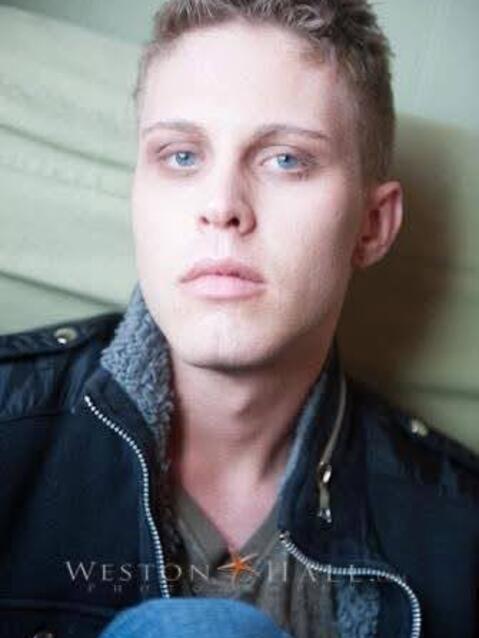
Mark Hartman
(Click to view essay)
The Critical Role of Harm Reduction in the Recovery Landscape
Harm reduction programs occupy a crucial space in the landscape of addiction treatment, offering a pragmatic approach to addressing substance use issues that diverge from traditional abstinence-based models. As someone deeply engaged in the field of substance use disorder counseling and mental health, I have grappled with the complexities surrounding harm reduction and its impact on individuals seeking recovery.
Proponents of harm reduction programs argue persuasively that these initiatives save lives by prioritizing safety and harm minimization over immediate abstinence. This approach acknowledges the reality that not all individuals struggling with addiction are ready or willing to cease substance use completely.
By providing access to clean needles, supervised injection sites, naloxone for overdose prevention, and education on safer substance use practices, harm reduction programs effectively mitigate the risks associated with drug use. These interventions are not just theoretical; they have tangible, life-saving outcomes. For instance, naloxone distribution has repeatedly reversed potentially fatal opioid overdoses, underscoring its critical role in harm reduction efforts.
Moreover, harm reduction programs address the broader public health implications of substance use by reducing the spread of infectious diseases such as HIV and hepatitis C among injecting drug users. By providing access to sterile equipment and promoting safer injection practices, these programs contribute significantly to community health outcomes.
Critics of harm reduction often argue from a moralistic or ideological standpoint, contending that such programs enable individuals to perpetuate their addiction without adequate incentive to pursue long-term recovery. There is concern that by providing safer alternatives, harm reduction inadvertently normalizes or condones substance use, thereby hindering 3 individuals from seeking treatment.
This perspective reflects a deep-seated belief in the necessity of abstinence as the sole path to recovery, overlooking the complexities and individualized nature of addiction. However, this dichotomy oversimplifies the reality faced by many individuals with substance use disorders.
Addiction is a chronic, relapsing condition influenced by biological, psychological, and social factors. For some, the path to recovery may indeed involve periods of reduced harm before achieving sustained abstinence. Harm reduction programs meet clients where they are in their journey, fostering trust and rapport that can eventually lead to engagement in more intensive treatment options when they are ready.
In my experience as someone in long-term recovery and working as a licensed substance use disorder counselor, effective addiction treatment is not one-size-fits-all. It requires a nuanced understanding of each client’s unique circumstances, preferences, and readiness for change. Harm reduction embodies a compassionate and pragmatic approach that respects individual autonomy while promoting health and safety. It serves as a bridge to engagement in treatment, offering a continuum of care that supports individuals at various stages of their recovery journey.
Ultimately, the debate surrounding harm reduction programs reflects broader societal attitudes toward addiction and recovery. By reframing the conversation from a dichotomy of harm reduction versus abstinence to one of comprehensive care and harm minimization, we can better serve the diverse needs of individuals struggling with substance use disorders. Embracing harm reduction as a vital component of addiction treatment not only saves lives in the immediate term but also paves the way for sustainable recovery and improved community health outcomes in the long run.
Fall 2023 College Scholarship Winners
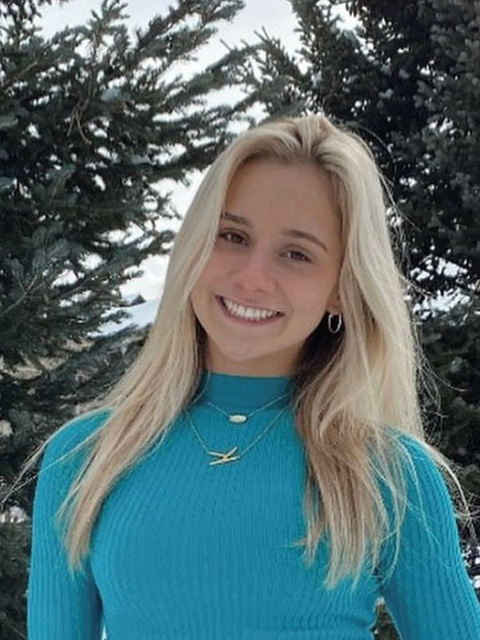
Kelsie Nyman
(Click to view essay)
How to eat an elephant: A lesson in learning to love despite overwhelming anger
My brother’s death built and broke me all at once. It broke me like a bone breaks. It first shattered me, because a 15 year-old shouldn’t lose her 29 year-old brother to a drug overdose. But it then healed me like a bone heals, too. I could never have grown back the same, but I grew back stronger. This is a story about how my brother’s death taught me something about what it means to fight for love.
My brother Jordan battled with drug addiction his whole adult life. He was 14 years older than me. So his adult life- the one riddled with a vicious and cyclical overdose-to-rehab-to-relapse habit comprised the entirety of my lucid years as his little sister. I didn’t get the movie marathon, matching Halloween costumes, Christmas morning excitement, Sunday night family dinner kind of childhood with him. I was too young to be exposed to much of his habit, but I wasn’t too young to notice the havoc it wrought on our mother. By the time I was old enough to determine a relationship with him for myself, I held a hatred in my heart for him. I wouldn’t forgive him for what he was doing to our family and to himself. I had a shell of him to enjoy and a shell of him to mourn.
When we heard the complicated and challenging news of his overdose, I froze. I was standing in the kitchen- eyes fixed, ears ringing a deafening wave of tinnitus, stomach sick, all color evacuated from my face. All I could think was, “I missed it. I missed it. I missed it.” I missed out on the chance at a brother. And I missed out on the chance to forgive him. But how could I forgive his audacious, destructive, harmful life? The answer is the same as the one to a riddle I remember from my childhood: “How do you eat an elephant? One bite at a time.”
My brother’s death built resentment in me for a while, and it broke my spirit for a while, too. But I started a journey of reflection and discovering what it means to forgive- one I am still very much on. So far, I’ve learned that forgiveness isn’t meant to be fickle- it’s meant to be absolute. I learned that death can break down a person’s spirit, but it can also break attachments to fear and anger. It can build resilience and fortitude of character. I have determined that this will be my brother’s legacy – that those he left behind will have learned that it is not too late to love him, learn from him, and be a family to him. It is with this renewed outlook that I vigorously pursue my education in Nursing and Counseling – to carry the mantle that he left for me.
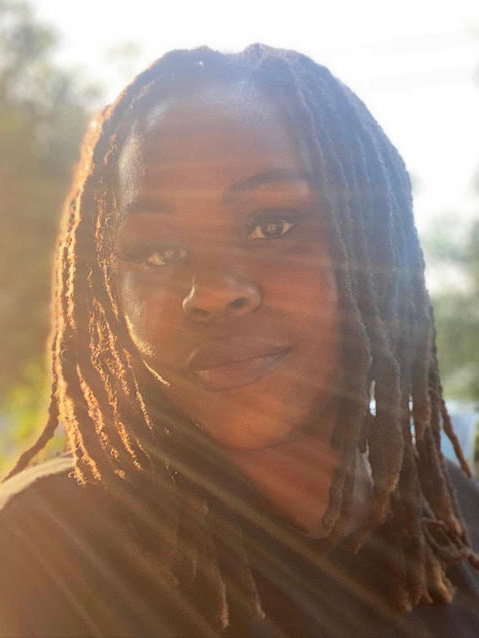
Jessica Dixon
(Click to view essay)
Addiction is a mind thing- at least that’s what I have been told. Many believe it is a weak-minded thing. I think addiction preys on the weakest part of that persons’ psyche. It doesn’t make them weak. My brother and father are addicts.2 of the smartest, hardworking, talented people I know, yet they allow a man-made substance to ruin their lives. Everything they work for is just to get drunk or high. Repeat. No real goals.
Alcohol and Drugs has had a hold on my community for decades now. Growing up in the hood, in the early 90s everyone’s parents were addicts of some sort. Either the mom or dad or in some circumstances both. Children born in the 80s have had it the worse when it comes to dealing with addiction. Crack was invented during our coming-of-age years. The years where we are most impressionable. Either you grew up selling drugs or using them. There were not a lot of people who weren’t affected directly by addiction. When one parent is addicted; it causes the other to have to work twice as hard to compensate for the time and money that was lost to drugs. I’ve seen families collapse because of these addictions. I’ve seen mothers sell their bodies due to these addictions. Some have even sold their babies. When I say I’ve seen, I really mean that I have witnessed with my own eyes. The mere fact that I have had to witness such horrible acts all in the name of addiction is devastating. It’s a fierce cycle of devastation that not only I have had to witness, but the majority of my peers have had too as well. It’s like an unspoken tragedy. We don’t know when it started exactly, we just know that, or families didn’t stand a chance. Some say the government put crack in the neighborhoods to dismantle the black families. Seems like it worked. It’s 2023 and people are still strung out on crack. Its so many other drugs, yet crack is still the drug of choice for the black community. It’s a great mystery as to why the hold is still so strong. Especially being that it is a watered-down version of cocaine. A highly addictive substance that was once considered a rich man’s drug. You would think that the ones still using would branch out. When crack first hit the streets the people were going crazy for it. Seriously-crazy. People were doing things they never did before. Fast forward to 2023, once the addiction began to kill young white people the government allowed drugs to be marketed to save lives of the poor innocent drug addicts. It is now an epidemic. They are labeling it ‘The Opioid Crisis’. A drug that has to be legally written by a dr and dispensed by a dr of medicine. Yet, the crack epidemic has yet to be addressed.
Growing up, we had programs like D.A.R.E that made us pledge to not do drugs. They wanted better for us as a community. They knew the things we seen on a daily basis could easily affect us negatively in the future. The heavy drug addiction cycle may have skipped our generation, but the kids of today are on all kinds of drugs. They weren’t raised properly because their parents weren’t raised properly. Another vicious cycle that plagues my community.
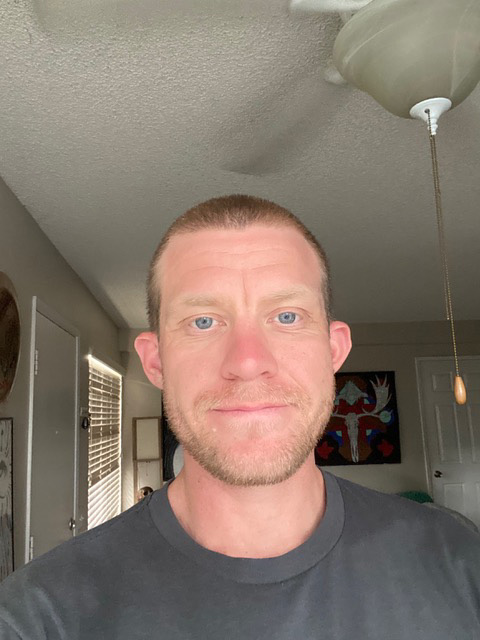
Daniel Joseph Goldsborough
(Click to view essay)
Daniel Goldsborough
Alcohol and drugs have affected my family greatly, but I will only share my experience. I started using drugs when I was in the 8th grade. Alcohol and weed to ease the troubles of a broken home, at first the drugs did everything I needed them to do. Took away my stress, eased my troubled mind. It felt like in a world that was crashing down around me I could smoke some weed and hang out with my friends and everything was better. By the time I was a senior in high school that all changed. At this point I was living with my grandparents in Baltimore Maryland, the rest of my eight siblings lived in a small town outside of the city. I managed to graduate high school and go unnoticed by my family as a drug addict. This is mainly because of all the other drama in my family. Bigger issues were happening so it was easy to ignore the high schooler getting into trouble, and that’s part of the disease of addiction, group denial.
The downhill spiral really began as soon as high school ended, at this point I started using heroin intravenously in order to get off of the angel dust, I didn’t prefer heroin but angel dust has a specific smell that always caused me to get caught. Ironically I just traded one drug for another, from my graduation in 2011 until 2019 my life was that of a heroin addict, bouncing from one couch to another until I ended up in California. At this point my life was pretty much non existent, I would go to a treatment facility then after a month or so I would be back on the streets. The bottoms got lower and my family only got more distant.
It was extremely difficult for me to stop using drugs. It felt like I had no life, no reason to stop. Even to this day I know heroin will not fix my life or my problems, but I do know it will put my mind at ease for a few brief moments, but today I have a valuable life that I am not willing to throw away for a brief moment of relief. I got sober in 2019 and it has been quite a journey, it all started at a NA beach meeting in Oceanside, California. There I met people who would get sober and live life. My new found friends would go sky diving or find some cliffs to jump off of into a river. This gave me a glimmer of hope, maybe I can find a few brief moments of relief in sobriety. Since I got off of drugs my life as gradually gotten better, my siblings talk to me on a regular basis, and I just completed my first class of college. I have even had to opportunity to help other people who struggle with the disease of addiction.
Life is worth living today, that’s something I never thought I would feel. When I was in the depths off my own addiction I used to long for the day I was able to afford enough heroin to finally end this existence. I am so grateful that never happened, today I wake up and get to go to work or go for a run. Now starting in the fall I will be going to college full time. Working full time and going to class full time is going to be a wild ride, but nothing I cant get through with the help of my new found fellowship of friends.
Find a NA Meeting
Select a state to find options for NA Meetings in your area.